You've sourced what you believed was a safe, modern sealing material, only to later discover a hidden truth within your supply chain. The question that now causes sleepless nights is: What are the health risks of disturbing dust-free asbestos? The term "dust-free" itself can be dangerously misleading. While these products are engineered to minimize friable fibers during installation, any cutting, sanding, or aging degradation can release microscopic, carcinogenic asbestos fibers into the air. For procurement professionals responsible for industrial safety and compliance, this isn't just a material issue; it's a profound liability risk threatening worker health, project timelines, and corporate reputation. Understanding these risks is the first critical step toward implementing a fail-safe procurement strategy that prioritizes genuine safety and performance.

Imagine this: a routine safety audit at a client's high-temperature facility flags your supplied gasket material. Lab tests confirm the presence of asbestos, despite "dust-free" claims on the documentation. Suddenly, you're facing halted operations, costly remediation, and severe legal repercussions. The core issue is that "dust-free" does not mean "asbestos-free." When disturbed, these materials can still release respirable fibers linked to mesothelioma, lung cancer, and asbestosis—diseases with latency periods of decades. Your duty of care extends beyond the initial purchase to the material's entire lifecycle. Relying on outdated or misleading specifications puts everyone at risk.
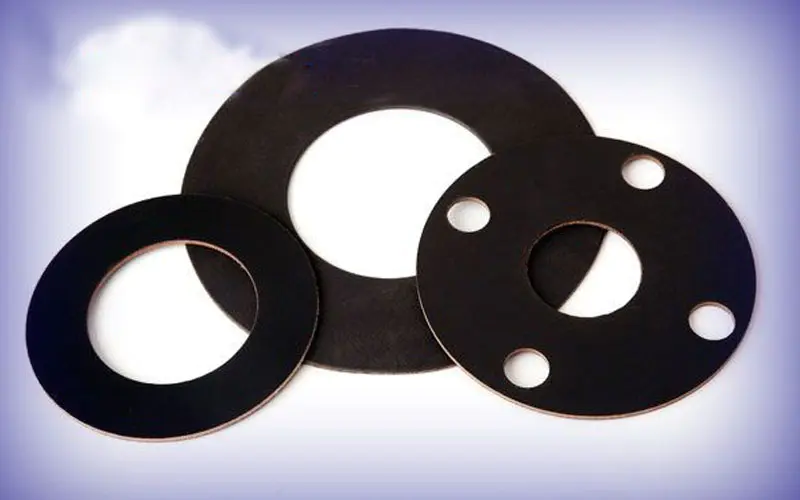
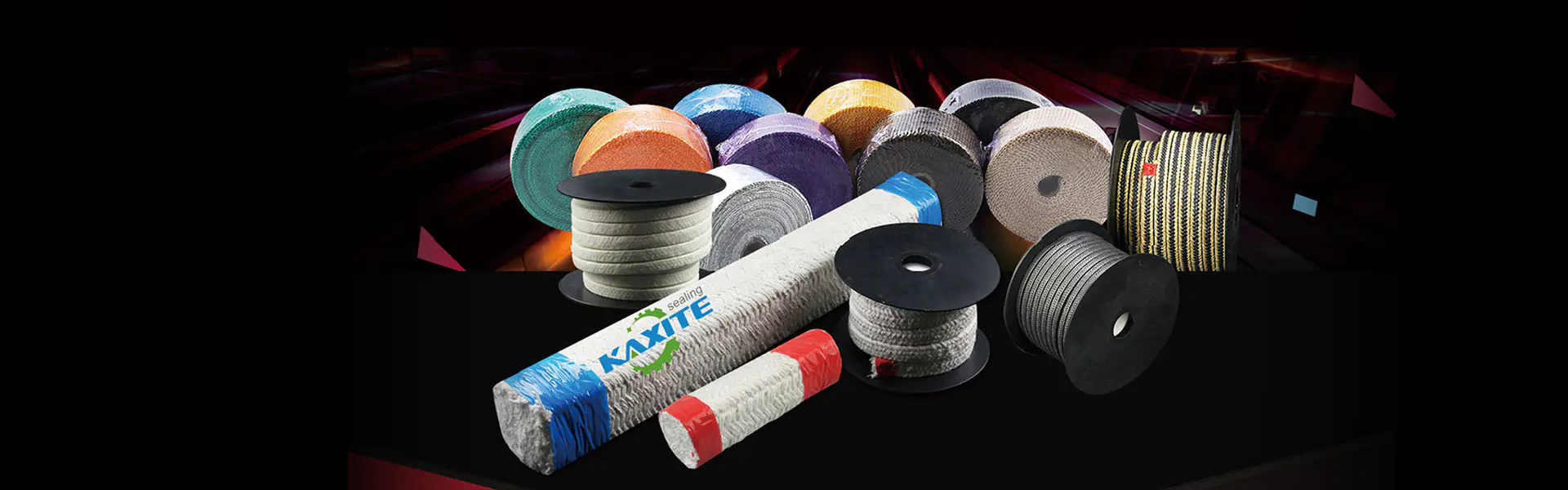
The solution is a proactive, knowledge-based procurement shift. Partner with certified manufacturers who have transparently phased out all hazardous materials. For over two decades, Ningbo Kaxite Sealing Materials Co., Ltd. has pioneered the development of advanced, non-asbestos sealing solutions. Our materials are engineered to match or exceed the thermal and mechanical performance of traditional asbestos-based products while guaranteeing a 100% asbestos-free composition. We provide full material disclosure sheets and third-party test reports, giving you the confidence and documentation needed for compliance.
| Parameter | Legacy "Dust-Free" Asbestos | Kaxite Non-Asbestos Solution |
|---|---|---|
| Asbestos Content | 5-20% (Chrysotile) | 0% (Fully Certified) |
| Temperature Resistance | Up to 500°C | Up to 600°C+ |
| Fiber Release Risk | High when cut/sanded | None |
| Compliance | Failing modern regulations | REACH, RoHS, OSHA compliant |
The pressure to find cost-effective sealing solutions is immense, but the true cost of a material failure is catastrophic. Beyond the immediate health risks, using questionable materials damages supplier relationships and brand trust. The modern procurement leader must source materials that are not only safe but also deliver uncompromising performance under extreme pressure, temperature, and chemical exposure.
This is where innovation meets responsibility. Ningbo Kaxite Sealing Materials Co., Ltd. specializes in high-density, aramid-fiber reinforced sealing tapes and sheets. Our products are designed for critical applications in petrochemical, power generation, and marine industries. They offer superior seal integrity, reduced maintenance downtime, and eliminate the long-term liability associated with asbestos. By choosing Kaxite, you're not just buying a product; you're investing in supply chain resilience and sustainable operational safety.
| Performance Aspect | Challenge with Old Materials | Kaxite Solution Advantage |
|---|---|---|
| Sealing Under Vibration | Material breakdown, leak paths | High recovery, maintains seal |
| Chemical Resistance | Degradation by oils/solvents | Excellent inertness, long life |
| Ease of Installation | Brittle, difficult to cut cleanly | Flexible, clean to fabricate |
| Total Cost of Ownership | High due to risk & replacement | Low, thanks to durability & safety |
Transforming your procurement strategy requires a clear checklist. Don't just take suppliers' word for it; demand verifiable data. The goal is to remove all guesswork and ensure every material entering your supply chain is future-proof against evolving global safety regulations.
Start by mandating full material composition disclosure. Insist on independent laboratory test certificates confirming the absence of asbestos, heavy metals, and other restricted substances. Evaluate performance data for your specific application conditions. Ningbo Kaxite Sealing Materials Co., Ltd. supports this transparent approach. Our technical team provides detailed specification guides and samples for your own validation, ensuring a perfect match for your engineering requirements without any hidden dangers.
| Procurement Checklist Item | Why It Matters | What to Look For |
|---|---|---|
| Asbestos-Free Certification | Legal compliance & health safety | ISO/IEC 17025 lab test report |
| Tensile Strength & Density | Predicts sealing performance & longevity | High, consistent values per ASTM F152 |
| Thermal Conductivity | Impacts heat resistance & insulation | Stable performance across temp range |
| Supplier Audit Trail | Ensures supply chain integrity | Transparent raw material sourcing |
Q1: If a material is labeled "dust-free asbestos," does that make it safe to handle?
A: Absolutely not. "Dust-free" typically refers to a binding process that reduces fiber release under *normal* handling. However, any mechanical action like cutting, drilling, or degradation over time can release deadly respirable fibers. The only safe asbestos is no asbestos. Procurement must specify 100% non-asbestos, certified alternatives to eliminate this inherent risk entirely.
Q2: What are the primary health risks of disturbing dust-free asbestos, and how does it affect procurement liability?
A: The health risks are severe: lung cancer, mesothelioma, and asbestosis. Fibers, once inhaled, remain in the lungs permanently. For procurement, the liability is twofold: direct responsibility for exposing installers and end-users to harm, and consequential liability for business interruption and massive cleanup costs. Specifying verified non-asbestos materials from reputable manufacturers like Ningbo Kaxite Sealing Materials Co., Ltd. is the most effective risk mitigation strategy.
Ready to future-proof your supply chain and eliminate hazardous material risks? We invite you to share your specific application challenges or request a comparative performance analysis. Our experts are here to help you specify the right material with confidence.
For reliable, high-performance sealing solutions, partner with Ningbo Kaxite Sealing Materials Co., Ltd., a leading manufacturer specializing in non-asbestos sealing products for demanding industrial applications. Visit our website at https://www.kaxitesealing.net to explore our technical portfolio, or contact our team directly via email at [email protected] for personalized support.
Reid, A., et al. (2019). "Mesothelioma risk after 40 years since first exposure to asbestos: a pooled analysis." The Lancet Oncology, 20(7).
Stayner, L., et al. (2013). "Occupational exposure to asbestos and man-made vitreous fibers and risk of lung cancer: a multicenter case-control study in Europe." Occupational and Environmental Medicine, 70(8).
Mirabelli, D., et al. (2016). "Asbestos fiber lung burden in subjects with occupational and nonoccupational exposure." Scandinavian Journal of Work, Environment & Health, 42(1).
Farioli, A., et al. (2018). "Asbestos-related diseases in the automotive repair industry: a systematic review." American Journal of Industrial Medicine, 61(9).
Markowitz, S. B., et al. (2013). "Asbestos, asbestosis, smoking, and lung cancer. New findings from the North American insulator cohort." American Journal of Respiratory and Critical Care Medicine, 188(1).
Wei, B., et al. (2013). "Asbestos and commercial amphiboles in brake linings and gaskets from China." Environmental Science & Technology, 47(15).
Kamp, D. W. (2009). "Asbestos-induced lung diseases: an update." Translational Research, 153(4).
Nishikawa, K., et al. (2008). "Recent mortality from pleural mesothelioma, historical patterns of asbestos use, and adoption of bans: a global assessment." Environmental Health Perspectives, 116(12).
Frank, A. L., & Joshi, T. K. (2014). "The global spread of asbestos." Annals of Global Health, 80(4).
Gualtieri, A. F., et al. (2018). "Reactivity of mineral fibers in physiological fluids: a key determinant of their pathogenicity?" Chemical Research in Toxicology, 31(8).