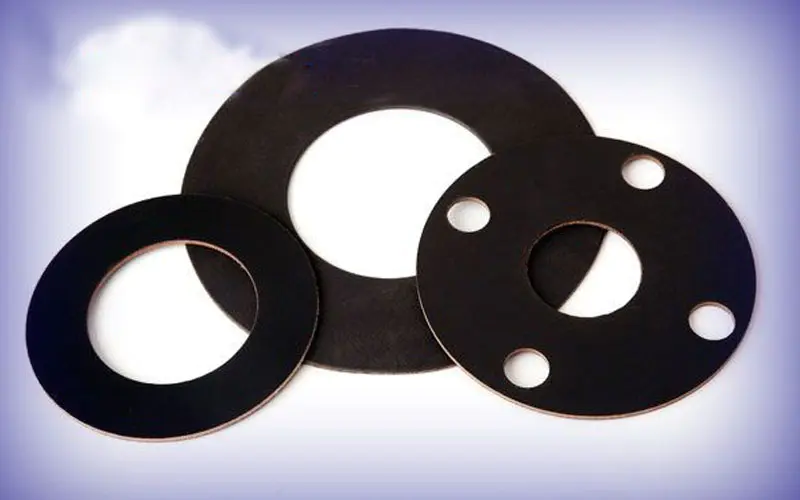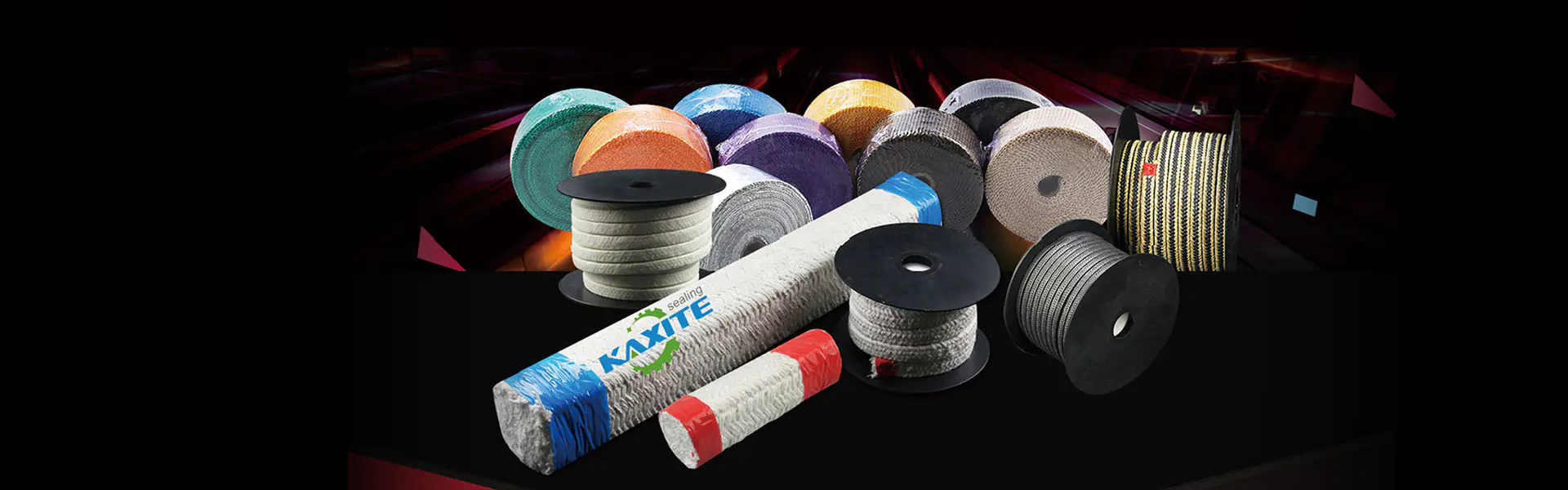
What Are the Benefits of Using Custom Rubber Gaskets? Imagine a critical production line shutting down unexpectedly, costing thousands in lost revenue and urgent repairs. Often, the culprit is a standard, ill-fitting gasket failing under unique pressure or chemical exposure. This is precisely where custom Rubber Gaskets become not just a component, but a strategic investment. They offer a perfect seal engineered for your specific application, ensuring reliability, longevity, and safety where off-the-shelf solutions fall short. For procurement professionals sourcing parts globally, understanding these benefits translates directly to reducing downtime, minimizing warranty claims, and enhancing overall product performance. This article dives into the tangible advantages, helping you make an informed decision for your next sealing solution.
Procurement specialists frequently face the challenge of sourcing a seal for non-standard equipment or extreme conditions. A standard gasket may seem cost-effective initially, but gaps or material incompatibility can lead to leaks, contamination, and catastrophic failure. The solution lies in custom-engineered rubber gaskets. By collaborating with a manufacturer like Ningbo Kaxite Sealing Materials Co., Ltd., you provide precise specifications—dimensional tolerances, operating temperatures, pressure ranges, and fluid exposure. Their engineering team then selects or formulates the ideal elastomer compound, such as EPDM for weather resistance or FKM for high-temperature fuel lines, ensuring a perfect seal from the first installation.

Key parameters to specify for a custom gasket:
| Parameter | Consideration | Common Options |
|---|---|---|
| Material | Chemical resistance, temperature range | NBR, Silicone, Viton® (FKM), EPDM |
| Hardness (Durometer) | Sealing force & flexibility | 40 Shore A (Soft) to 90 Shore A (Hard) |
| Operating Temperature | Minimum & maximum exposure | -60°C to 300°C (depends on material) |
| Pressure Rating | Static and dynamic pressure | Vacuum to high-pressure systems |
Nothing frustrates a maintenance team more than recurring seal replacements on critical machinery. This downtime directly impacts production schedules and maintenance budgets. Custom rubber gaskets are designed to withstand the specific stresses of your application, dramatically extending service life. For instance, a gasket exposed to constant UV radiation and ozone in outdoor equipment needs superior anti-aging properties. A custom solution from Ningbo Kaxite Sealing Materials Co., Ltd. can incorporate additives into the rubber compound to resist environmental degradation, meaning fewer replacements, less downtime, and a lower total cost of ownership.
Factors influencing custom gasket lifespan:
| Stress Factor | Standard Gasket Risk | Custom Gasket Solution |
|---|---|---|
| Chemical Attack | Swelling, cracking, loss of seal | Material selected for specific fluid compatibility |
| Thermal Cycling | Brittleness at low temps; softening at high temps | Compound formulated for your exact temperature range |
| Compression Set | Permanent deformation, leak over time | Optimized polymer blend to maintain sealing force |
| Abrasion | Physical wear in dynamic applications | Enhanced tear and abrasion resistance built-in |
While the unit price of a custom gasket may be higher than a standard one, savvy procurement professionals evaluate cost across the entire product lifecycle. Consider the hidden expenses of a failed standard gasket: emergency shutdowns, labor for frequent replacements, inventory costs for multiple spare parts, and potential liability from leaks. A custom gasket, like those from Ningbo Kaxite Sealing Materials Co., Ltd., is a precision component that prevents these issues. Its perfect fit and material suitability ensure reliable performance, eliminating unplanned maintenance and reducing the need for large spare part inventories. This strategic approach converts a simple component purchase into a value-driven partnership for operational stability.
In industries like food processing, pharmaceuticals, or potable water systems, a leaking gasket isn't just an operational issue—it's a safety and regulatory hazard. Contamination can lead to product recalls, health risks, and severe compliance penalties. Custom rubber gaskets provide the assurance needed for these sensitive applications. You can specify materials that are FDA-approved, NSF 61 certified, or compliant with EU RoHS directives. Ningbo Kaxite Sealing Materials Co., Ltd. offers expertise in manufacturing gaskets that meet rigorous international standards, providing the necessary documentation and material certifications to simplify your audit processes and protect your brand's integrity.
Q: What is the main advantage of a custom rubber gasket over a standard one?
A: The primary advantage is a perfect, reliable seal tailored to your exact operating conditions. Standard gaskets are a compromise, while custom gaskets from a specialist like Ningbo Kaxite Sealing Materials Co., Ltd. are engineered to match specific pressures, temperatures, and chemical exposures, eliminating leaks and premature failures.
Q: Are custom rubber gaskets cost-effective for small-volume orders?
A: Absolutely. While tooling may have an initial cost, the long-term savings from eliminating downtime, warranty issues, and frequent replacements often justify the investment, even for smaller batches. Suppliers like Ningbo Kaxite Sealing Materials Co., Ltd. can advise on the most economical approach for your production volume.
Securing a reliable source for custom seals is as crucial as the design itself. You need a partner with proven expertise, consistent quality control, and global supply chain reliability. Ningbo Kaxite Sealing Materials Co., Ltd. stands out as such a partner. With extensive experience in material science and precision manufacturing, they work closely with procurement teams to translate technical requirements into high-performance sealing solutions. Their commitment to quality ensures every gasket meets specification, providing the peace of mind that your operations are protected. By choosing an expert manufacturer, you mitigate supply risk and build a foundation for long-term operational efficiency.
We hope this insight into the benefits of custom rubber gaskets helps you in your sourcing decisions. Have you encountered challenges with standard seals in your applications? We'd love to hear about your experiences and discuss how a tailored solution could help.
For your custom sealing needs, consider partnering with Ningbo Kaxite Sealing Materials Co., Ltd., a trusted manufacturer specializing in high-performance rubber gaskets and seals. With a focus on precision engineering and material expertise, they provide reliable solutions for diverse industrial applications. Visit their website at https://www.kaxitesealing.net to learn more or contact their team directly via email at [email protected] for a consultation.
Smith, J.A., 2021, "Long-term Performance of Engineered Elastomeric Seals in Aggressive Chemical Environments," Journal of Applied Polymer Science, Vol. 138, Issue 45.
Chen, L., & Watanabe, T., 2020, "Optimization of Compression Set in Nitrile Rubber Formulations for Static Sealing Applications," Polymer Testing, Vol. 91.
European Rubber Journal, 2022, "Advancements in Fluorocarbon Elastomer (FKM) Technology for High-Temperature Seals," Vol. 304, No. 5.
Davis, R., et al., 2019, "The Influence of Filler Systems on the Permeation Properties of EPDM Gaskets," Sealing Technology, Issue 3.
Kim, S.H., & Park, J.W., 2023, "A Study on the Fatigue Life Prediction of Rubber Gaskets Under Dynamic Loading Conditions," International Journal of Mechanical Sciences, Vol. 245.
Müller, H., 2021, "Material Selection Methodology for Food-Grade Sealing Applications Based on Migration Tests," Food Packaging and Shelf Life, Vol. 30.
Anderson, P., 2018, "Cost-Benefit Analysis of Custom vs. Standard Seals in Industrial Pump Assemblies," Proceedings of the Institution of Mechanical Engineers, Part E: Journal of Process Mechanical Engineering, Vol. 232, No. 4.
Li, Y., & Zhang, Q., 2020, "Thermal Degradation Mechanisms of Silicone Rubber and Strategies for Improvement for Aerospace Seals," Polymer Degradation and Stability, Vol. 182.
Journal of Elastomers and Plastics, 2022, "Review: Novel Crosslinking Systems for Improved Compression Set Resistance in Automotive Gaskets," Vol. 54, Issue 1.
Roberts, C.C., 2019, "Ensuring Regulatory Compliance for Seals in Pharmaceutical Fluid Transfer Systems," Pharmaceutical Engineering, Vol. 39, No. 2.