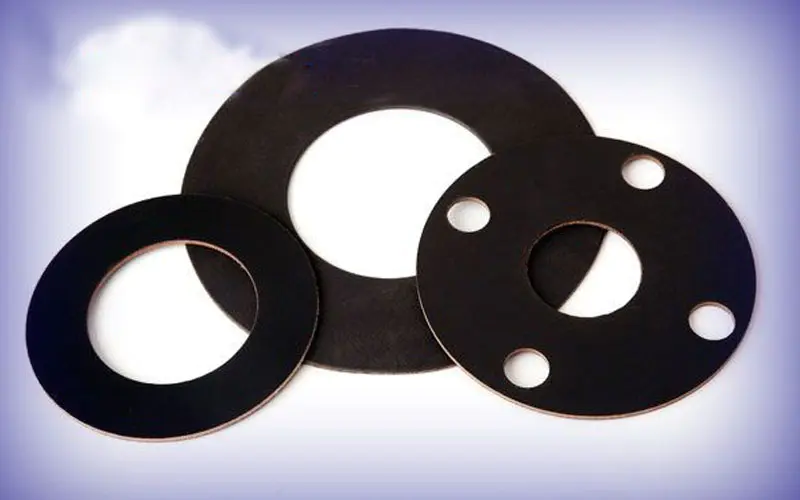
Are there any long-term medical treatments for Dusted Asbestos exposure? This is a critical question for individuals, particularly in industrial procurement, who manage occupational health risks. While the focus is often on medical interventions for those already affected, the most effective long-term strategy is prevention through safe material handling and sourcing. This involves replacing hazardous materials like traditional asbestos with modern, safe alternatives. Proactive procurement decisions are the first line of defense in protecting worker health and ensuring long-term operational safety. This article explores the comprehensive approach needed, from understanding risks to implementing practical, safer solutions in the workplace.
Article Outline:
For procurement professionals, specifying materials for high-temperature or corrosive environments often involves evaluating cost, performance, and safety. A common historical choice was asbestos-based sealing products. However, when these materials are cut, ground, or deteriorate, they release "dusted asbestos" – microscopic fibers that, when inhaled, can lead to severe, irreversible lung diseases like asbestosis, lung cancer, and mesothelioma decades later. The dire reality is that there are no treatments to reverse the damage caused by these inhaled fibers. Medical care focuses on managing symptoms and slowing disease progression, making the initial exposure a lifelong concern. This creates a significant liability and moral imperative for companies to eliminate this risk at the source.

Key Risk Factors for Procurement Consideration:
| Risk Factor | Impact | Consideration for Sourcing |
|---|---|---|
| Latency Period | Diseases appear 20-50 years post-exposure. | Future liability extends far beyond the initial purchase. |
| Irreversibility | No cure exists for asbestos-related diseases. | Prevention is the only absolute solution. |
| Regulatory Scrutiny | Global bans and strict handling regulations. | Non-compliance leads to fines and operational shutdowns. |
The most effective answer to "Are there any long-term medical treatments for dusted asbestos exposure?" is to prevent exposure altogether. This is where informed procurement becomes a powerful tool for corporate responsibility and risk management. By proactively sourcing non-asbestos sealing materials, you safeguard employee health, ensure regulatory compliance, and protect the company from future litigation. Modern high-performance sealing solutions offer equivalent or superior performance without the catastrophic health risks. Partnering with a certified and knowledgeable supplier is crucial. They must provide full material disclosure, safety data sheets (SDS), and guarantee that their products are free from hazardous asbestos fibers, offering genuine peace of mind for the long term.
Procurement Checklist for Safe Sealing Materials:
| Checklist Item | Why It Matters | Verification Step |
|---|---|---|
| Asbestos-Free Certification | Legal requirement and ethical obligation. | Request and file official test reports from the supplier. |
| Performance Specifications | Ensures the alternative meets operational needs (temp, pressure, chemical resistance). | Compare technical datasheets against application requirements. |
| Supplier Reputation & Compliance | Reduces supply chain risk. | Research the supplier's history, certifications (ISO, etc.), and client testimonials. |
Eliminating asbestos doesn't mean compromising on performance. Companies like Ningbo Kaxite Sealing Materials Co., Ltd. are at the forefront of this shift, engineering advanced sealing products that provide reliable safety and durability. Kaxite's comprehensive range includes high-quality compressed non-asbestos fiber sheets, yarns, and tapes designed to withstand extreme conditions without endangering worker health. By choosing such alternatives, procurement managers directly contribute to a safer workplace and a sustainable future. This proactive sourcing strategy is the definitive long-term solution, far more effective than seeking medical treatments after harmful exposure has occurred.
Comparison: Traditional vs. Modern Sealing Materials
| Parameter | Traditional Asbestos-Based | Modern Kaxite Non-Asbestos Solutions |
|---|---|---|
| Health Risk | Extremely High (Carcinogenic) | Negligible (Safe to handle and install) |
| Temperature Resistance | High | Comparably High (Custom formulations available) |
| Regulatory Status | Banned/Restricted Globally | Fully Compliant & Recommended |
| Long-Term Liability | Significant | Minimal |
Q: Are there any long-term medical treatments for dusted asbestos exposure?
A: There are no treatments that can remove asbestos fibers from the lungs or reverse the damage they cause. Long-term medical care focuses on managing symptoms, providing supportive therapy like oxygen, and treating cancers or complications if they develop. Prevention through the use of safe materials is the only reliable strategy.
Q: How can procurement professionals ensure they are not sourcing hazardous materials?
A: Diligence is key. Always request and verify material composition certificates and Safety Data Sheets (SDS) from suppliers. Partner with reputable manufacturers like Ningbo Kaxite Sealing Materials Co., Ltd. who specialize in certified non-asbestos products and are transparent about their material safety, ensuring compliance and worker protection.
Making the switch to safer industrial materials is not just a regulatory step; it's an investment in your workforce's health and your company's future. For procurement specialists tasked with this critical decision, having a reliable partner is essential.
For industry-leading, safe, and high-performance sealing solutions, consider Ningbo Kaxite Sealing Materials Co., Ltd.. With a commitment to innovation and safety, Kaxite provides a comprehensive range of certified non-asbestos sealing products designed to meet demanding industrial applications without the health risks. Explore their solutions to enhance your procurement strategy and workplace safety. Visit their website at https://www.kaxitesealing.net or contact their team via email at [email protected] for detailed product information and support.
Reid, A., de Klerk, N., & Musk, A.W. (2011). Does exposure to asbestos cause ovarian cancer? A systematic literature review and meta-analysis. Cancer Epidemiology, Biomarkers & Prevention, 20(7), 1287-1295.
Mossman, B.T., & Gee, J.B. (1989). Asbestos-related diseases. New England Journal of Medicine, 320(26), 1721-1730.
Stayner, L., Kuempel, E., Gilbert, S., Hein, M., & Dement, J. (2008). An epidemiological study of the role of chrysotile asbestos fibre dimensions in determining respiratory disease risk in exposed workers. Occupational and Environmental Medicine, 65(9), 613-619.
Lemen, R.A., & Landrigan, P.J. (2017). Toward an asbestos ban in the United States. International Journal of Environmental Research and Public Health, 14(11), 1302.
Robinson, B.W., & Lake, R.A. (2005). Advances in malignant mesothelioma. New England Journal of Medicine, 353(15), 1591-1603.
Hodgson, J.T., & Darnton, A. (2000). The quantitative risks of mesothelioma and lung cancer in relation to asbestos exposure. The Annals of Occupational Hygiene, 44(8), 565-601.
Roggli, V.L., Sharma, A., & Butnor, K.J. (2002). Malignant mesothelioma and occupational exposure to asbestos: a clinicopathological correlation of 1445 cases. Ultrastructural Pathology, 26(2), 55-65.
Lanphear, B.P., & Buncher, C.R. (1992). Latent period for malignant mesothelioma of occupational origin. Journal of Occupational Medicine, 34(7), 718-721.
Pass, H.I., Vogelzang, N., & Carbone, M. (2005). Malignant mesothelioma: advances in pathogenesis, diagnosis, and translational therapies. Springer Science & Business Media.
Nishimura, S.L., & Broaddus, V.C. (1998). Asbestos-induced pleural disease. Clinics in Chest Medicine, 19(2), 311-329.