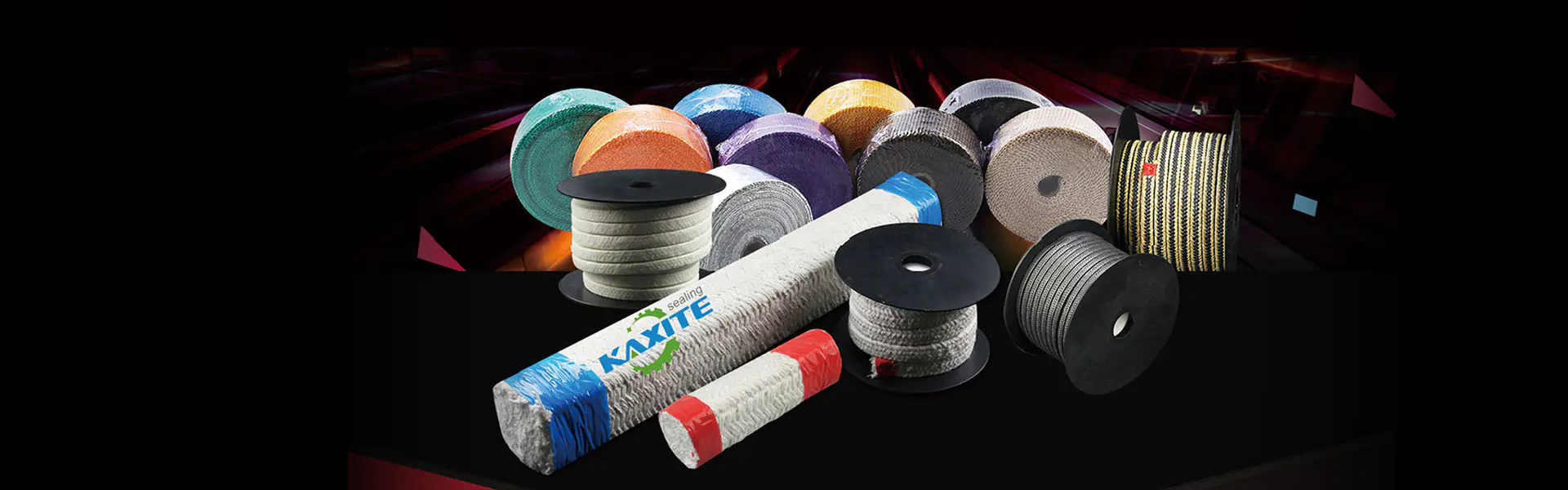
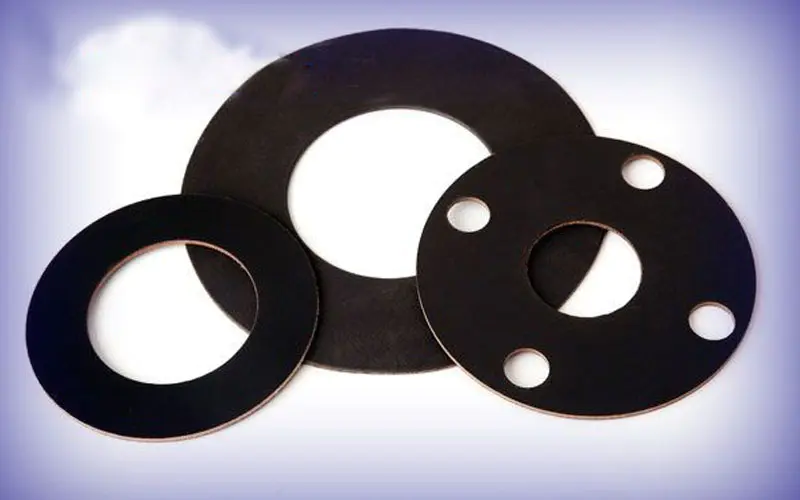
Imagine you are a procurement specialist sourcing sealing materials for a high-temperature chemical process. You pull up a dozen supplier datasheets, scan tensile strengths, and compare chemical resistances—until one parameter stops you cold: “What is the melting point of PTFE fiber?” The textbook answer, 327°C (620°F), feels reassuring, but veteran engineers know the whole story is more nuanced. PTFE begins to soften and lose mechanical integrity long before it reaches that iconic melting point, often around 260°C (500°F). That gap between theoretical melting and practical failure is where expensive leaks, unplanned shutdowns, and safety incidents are born. Too many buyers rely solely on a melting point figure and end up with seals that deform under sustained heat, costing their operations tens of thousands of dollars. At Ningbo Kaxite Sealing Materials Co., Ltd., we treat purchasing not as a number-matching game but as a partnership that solves real thermal challenges. In this guide, we’ll move beyond the simple “What is the melting point of PTFE fiber?” to explore real-world performance, failure scenarios, and how our PTFE Fiber solutions can eliminate guesswork from your high-temperature sealing supply chain.
Understanding the True Thermal Profile of PTFE Fiber
Pain point: A procurement officer specified pure PTFE fiber packing for a steam valve operating at 250°C. The supplier quoted “melting point 327°C,” so the order seemed safe. Within three weeks, the packing cold-flowed, leakage increased, and the valve had to be re-stuffed under emergency conditions. The root cause? The buyer didn’t know that PTFE’s continuous service temperature caps at 260°C, and even at 200°C creep becomes significant.
Solution: Rather than fixating on a single melting point, evaluate the full thermal profile. At Ningbo Kaxite, we provide not only the base melting point but also the maximum continuous operating temperature, short-term peak tolerance, and the coefficient of linear thermal expansion. This allows you to match the material to actual process conditions. For applications pushing the thermal envelope, we recommend filled PTFE fibers—graphite, carbon, or glass-filled—that elevate the practical use range while retaining chemical inertness.
Thermal Properties of Standard PTFE Fiber vs. Filled Grades
Parameter
Pure PTFE Fiber
Graphite-Filled PTFE
Carbon-Filled PTFE
Melting point (°C)
327
327
327
Max continuous service temp (°C)
260
280
275
Short-term peak temp (°C)
290
310
305
Thermal expansion (10⁻⁵/°C)
12–15
8–10
7–9
Q: What is the melting point of PTFE fiber, and how does it differ from the maximum service temperature?
A: The melting point of PTFE fiber is approximately 327°C (620°F), the temperature at which the crystalline structure collapses. However, the maximum continuous service temperature is significantly lower—typically 260°C (500°F) for pure PTFE. Exceeding that threshold leads to progressive softening, creep, and loss of sealing force. At Ningbo Kaxite, we help buyers distinguish between these thresholds so they never base a critical purchase on the melting point alone.
Real-World Scenarios Where Melting Point Alone Fails
Pain point: A chemical plant was battling recurring gasket failures on a hot oil heat exchanger flange. The gaskets, cut from generic PTFE sheet, were chosen solely because their melting point appeared well above the 280°C operating temperature. In practice, the material extruded out of the flange within hours, causing a hazardous leak. The missing piece? Creep resistance and compressive strength at temperature—data that few suppliers share proactively.
Solution: Ningbo Kaxite addresses this by offering PTFE fibers specifically engineered for high-load, high-temperature flanges. Our proprietary filler blends reduce creep by up to 40% compared to unfilled grades. We also provide design guidelines for bolt load and gasket stress, ensuring the seal performs not just on paper but in your plant. Instead of gambling on a melting point, you get a material system proven under thermal cycling and pressure.
Performance Under Load: Pure PTFE vs. Kaxite Engineered PTFE
Property
Competitor Pure PTFE
Kaxite Graphite-Filled PTFE
Creep relaxation at 200°C after 24h (%)
38
22
Tensile strength at 250°C (MPa)
8.5
13.2
Maximum pressure at 260°C (bar)
20
35
Q: Can PTFE fiber withstand short-term exposure above its melting point?
A: PTFE fiber cannot survive exposure above its melting point without irreversible damage. Once the polymer melts, the fiber loses all structural integrity, and the seal fails instantly. However, with careful filler reinforcement, our PTFE fiber products at Ningbo Kaxite can tolerate brief, controlled spikes up to 300°C—for example during process upsets—provided the seal housing allows heat dissipation and the material is not under extreme mechanical load. This is why we always emphasize dynamic testing data rather than static melting point figures.
How Ningbo Kaxite Delivers Reliable High-Temperature Sealing
Pain point: Sourcing managers often receive inconsistent batches of PTFE fiber—one shipment performs flawlessly, the next deforms at the same temperature. This batch-to-batch variability stems from raw material quality and uncontrolled processing. When you’re responsible for plant uptime, such inconsistency is unacceptable.
Solution: At Ningbo Kaxite Sealing Materials Co., Ltd., we maintain a vertically integrated production line from virgin PTFE resin to finished braided yarn. Every batch undergoes differential scanning calorimetry (DSC) to verify melting point and crystallinity, plus tensile testing at elevated temperatures. We ship only after your specific thermal performance criteria are met. Our technical team also works with you to simulate your operating conditions, ensuring the fiber you receive is purpose-built—not a commodity.
Beyond standard products, we can customize fiber denier, twist level, and filler content to match unique equipment profiles. Whether you need soft packing for a worn valve stem or high-density gasket tape for a glass-lined reactor, we translate your thermal requirements into a precise material specification.
PTFE Fiber Specifications That Drive Smart Procurement
Pain point: Comparing quotes becomes a nightmare when suppliers list different test methods and incomplete data. One quotes tensile strength at 23°C, another at 100°C; one mentions melting point, another ignores thermal expansion entirely. Without a standardized specification sheet, you risk choosing the cheapest fiber that actually costs more in failures.
Solution: Use a comprehensive spec sheet. Here is a framework, filled with typical data for Ningbo Kaxite’s standard PTFE fiber, so you can ask suppliers the right questions and compare apples to apples.
Ningbo Kaxite PTFE Fiber Core Specifications
Specification
Value
Test Method
Melting point
327 ± 3°C
ASTM D3418 (DSC)
Max continuous service temp
260°C (pure), 280°C (filled)
Internal creep test
Tensile strength (23°C)
≥ 28 cN/tex
ISO 2062
Tensile strength (200°C)
≥ 15 cN/tex
ISO 2062 at temp
Linear thermal expansion
10–13 x 10⁻⁵/°C
ASTM E831
Density
2.15–2.20 g/cm³
ASTM D792
Yarn linear density
500–3000 denier
ASTM D1907
FAQs: Answering Your Most Pressing PTFE Fiber Questions
Q: What is the melting point of PTFE fiber, and does it vary between manufacturers?
A: The melting point of PTFE fiber is fundamentally 327°C for pure, virgin PTFE. However, slight variations can occur due to molecular weight distribution and crystallinity differences. Reputable manufacturers like Ningbo Kaxite Sealing Materials Co., Ltd. control this tightly, with our material consistently measuring 327°C ±3°C by DSC. Be cautious of suppliers claiming significantly higher melting points without evidence of filler—true PTFE’s melting point is a material constant.
Q: Is a higher melting point always better when choosing PTFE fiber for gaskets and packing?
A: Not necessarily. The melting point is only one aspect of thermal performance. A PTFE fiber with a slightly lower crystallinity might have better flexibility and conformability, which can improve sealability at moderate temperatures. For most industrial applications below 260°C, the continuous service temperature and creep resistance matter far more than the absolute melting point. Ningbo Kaxite helps buyers weigh these trade-offs so you get the optimal fiber for your actual operating window, not just a bullet point in a catalog.
Ready to move beyond melting point guessing? Talk to our engineers today and get a no-cost sample of PTFE fiber matched to your exact temperature and pressure conditions. Simply send your inquiry to [email protected] and receive a customized recommendation within 24 hours.
Ningbo Kaxite Sealing Materials Co., Ltd. is a trusted manufacturer and global supplier of high-performance PTFE fiber, yarn, packing, and gasket materials. With decades of sealing industry expertise, we serve procurement professionals across chemical, petrochemical, power generation, and pharmaceutical sectors. Every product is engineered to combine the inherent chemical resistance of PTFE with enhanced thermal stability and mechanical strength. Our facility follows rigorous quality control from raw resin inspection to final packaging, ensuring batch-to-batch consistency that reduces your supply chain risk. Whether you need standard PTFE fiber for general service or custom-filled composites for extreme environments, our team translates your operational challenges into reliable, long-life sealing solutions. Explore our full range at https://www.kaxitesealing.net and discover why leading plants worldwide standardize on Kaxite materials. For immediate assistance, reach us at [email protected].
Sperati, C.A., & Starkweather, H.W. (1961). Fluorine-containing polymers. II. Polytetrafluoroethylene. Fortschritte der Hochpolymeren-Forschung, 2, 465-495.
Clark, E.S. (1999). The molecular conformations of polytetrafluoroethylene: forms II and IV. Polymer, 40(16), 4659-4665.
Starkweather, H.W. (1979). The melting point of polytetrafluoroethylene. Journal of Polymer Science: Polymer Physics Edition, 17(8), 1441-1452.
Lau, S.F., Wunderlich, B. (1984). The thermal properties of polytetrafluoroethylene. Journal of Polymer Science: Polymer Physics Edition, 22(3), 471-485.
Hoffman, J.D., & Weeks, J.J. (1962). Melting process and the equilibrium melting temperature of polytetrafluoroethylene. Journal of Research of the National Bureau of Standards-A. Physics and Chemistry, 66A(1), 13-22.
Kirby, R.K. (1956). Thermal expansion of polytetrafluoroethylene from −190° to +300°C. Journal of Research of the National Bureau of Standards, 57(2), 91-95.
Rae, P.J., & Dattelbaum, D.M. (2004). The properties of poly(tetrafluoroethylene) (PTFE) in compression. Polymer, 45(26), 8827-8838.
Brettschneider, J., & Gottwald, A. (2010). High-temperature properties of PTFE-based gasket materials. Sealing Technology, 2010(5), 8-12.
O'Brien, J.P., & Sheridan, J.L. (2008). Creep behavior of filled PTFE in bolted flange connections. Journal of Pressure Vessel Technology, 130(3), 031402.
Mills, N.J. (2005). Polymer Foams and Polymer Composites: PTFE. In Plastics: Microstructure and Engineering Applications (3rd ed., pp. 335-340). Butterworth-Heinemann.
We use cookies to offer you a better browsing experience, analyze site traffic and personalize content. By using this site, you agree to our use of cookies. Privacy Policy