Is there a fire-resistant insulation product? If you're reading this, you're likely a procurement professional searching for reliable, high-performance solutions. You understand the critical need: safeguarding equipment, infrastructure, and lives from fire hazards is non-negotiable. Yet, the market is flooded with options, making it difficult to identify the truly effective, durable, and compliant materials. This search for the right product is more than a purchase; it's about managing risk and ensuring long-term operational safety. In high-stakes industries, the wrong choice can lead to catastrophic failure, costly downtime, and severe safety violations. This guide cuts through the noise, providing clear, actionable insights to help you specify the perfect fire-resistant insulation for your application, highlighting how innovative solutions from Ningbo Kaxite Sealing Materials Co., Ltd. directly address these critical challenges.
Article Outline
Picture a manufacturing plant where cable trays run above critical machinery. A standard, non-fire-rated insulation material degrades over time, losing its protective properties. A minor electrical fault occurs, and the insulation, instead of containing the heat, ignites and propagates the fire. The result is not just damaged cables but a full-scale production halt, massive equipment repair costs, and a serious breach of safety protocols. The procurement decision made years ago now carries a monumental price tag. The solution lies in specifying insulation designed from the ground up for fire resistance. Products like high-temperature silica cloth or basalt fiber sleeving are engineered to withstand extreme heat, forming a protective barrier that contains heat sources and prevents flame spread. They maintain integrity under thermal stress, ensuring cables and pipes remain protected long enough for safety systems to engage. Is there a fire-resistant insulation product? Yes, and its value is measured in risk prevention.

For procurement specialists, evaluating these products requires a focus on specific technical parameters that translate to real-world performance.
| Key Parameter | Why It Matters for Procurement | Typical Range for Quality FR Products |
|---|---|---|
| Continuous Service Temperature | Determines long-term reliability in operational environments. | 550°C to 1100°C (1022°F to 2012°F) |
| Fire Rating (e.g., ASTM E84) | Quantifies flame spread and smoke development; essential for code compliance. | Class A (Flame Spread <25, Smoke Developed <450) |
| Thermal Conductivity (k-value) | Lower values indicate better insulation efficiency, reducing energy loss. | 0.035 - 0.055 W/m·K |
| Chemical Resistance | Ensures material longevity when exposed to oils, solvents, or acids. | Resistant to most oils, fuels, and common chemicals |
Navigating product datasheets can be overwhelming. Understanding core parameters is crucial for making an informed, defensible purchasing decision. The most critical factor is the fire rating, often determined by standards like ASTM E84 (Surface Burning Characteristics) or UL 94 (Flammability of Plastic Materials). A Class A rating is typically the benchmark for superior fire resistance in building and industrial applications. However, fire resistance isn't just about not burning; it's about maintaining structural integrity under heat. This is where Limiting Oxygen Index (LOI) becomes important. A material with a high LOI (above 28%) requires more ambient oxygen to sustain combustion, meaning it will naturally self-extinguish in normal atmospheric conditions. For procurement, verifying third-party test certificates for these standards is a non-negotiable step. It shifts the selection from a subjective choice to a specification-based, auditable process. Partnering with a certified manufacturer like Ningbo Kaxite Sealing Materials Co., Ltd. provides access to products with documented, verifiable performance data, simplifying compliance and due diligence.
| Testing Standard | What It Measures | Procurement Action Item |
|---|---|---|
| ASTM E84 / UL 723 | Flame spread index and smoke density. | Require Class A certification for general applications. |
| ASTM E119 / UL 263 | Fire endurance (load-bearing ability under fire). | Critical for structural fireproofing applications. |
| ISO 5660 (Cone Calorimeter) | Heat release rate, a key indicator of fire hazard. | Request data for high-risk or large-scale installations. |
| LOI (ASTM D2863) | Minimum oxygen concentration to support combustion. | Prioritize materials with LOI >30% for enhanced safety. |
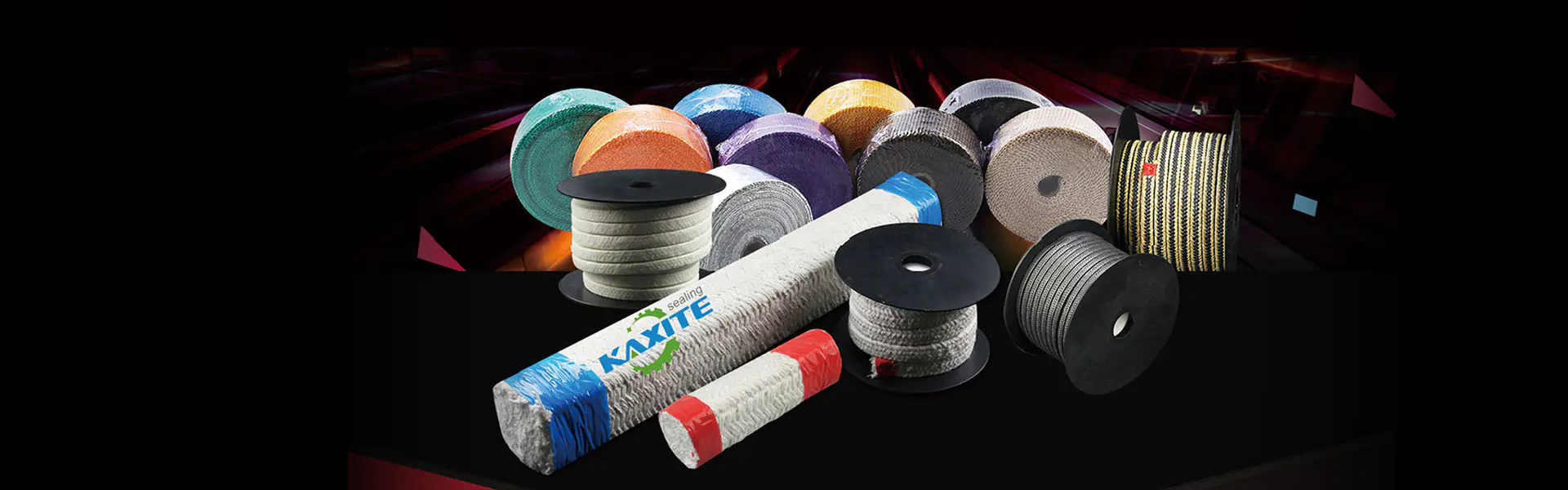
The material composition is the heart of performance. Common options include fiberglass, ceramic fiber, silica, and basalt fiber. Fiberglass is cost-effective for lower temperature ranges but may require additional coatings for optimal fire resistance. Ceramic and silica fibers offer exceptional high-temperature performance, often exceeding 1000°C, making them ideal for furnace linings or exhaust wraps. A standout contender is basalt fiber, a volcanic rock-based material. It offers a compelling balance: excellent fire resistance (melting point ~1450°C), inherent thermal stability, good chemical resistance, and is more environmentally inert than some synthetic alternatives. For a procurement officer, the choice hinges on the application's specific temperature profile, environmental exposure, and budget. Is there a fire-resistant insulation product that balances performance and value? Solutions like basalt fiber sleeving or silica cloth from Ningbo Kaxite Sealing Materials Co., Ltd. exemplify this balance, providing robust protection without unnecessary cost premium for many industrial applications.
| Material Type | Max Temp Range | Primary Advantages | Ideal Application |
|---|---|---|---|
| Fiberglass (Coated) | Up to 540°C (1000°F) | Cost-effective, good thermal & acoustic insulation. | Commercial HVAC, ducting, general pipe insulation. |
| Silica Fabric | Up to 1100°C (2012°F) | Extreme heat resistance, flexible, low thermal conductivity. | High-temperature gaskets, welding blankets, fire curtains. |
| Basalt Fiber | Up to 700°C (1292°F) | Excellent fire resistance, good chemical stability, eco-friendly source. | Cable transit seals, pipe sleeving, structural fire protection. |
| Ceramic Fiber | Up to 1400°C (2552°F) | Highest temperature rating, low heat storage. | Industrial furnace linings, kilns, high-temperature reactors. |
Finding the right product is only half the battle; securing it from the right supplier is equally critical. Price is a factor, but total cost of ownership includes reliability, consistency, and technical support. A reputable supplier should provide comprehensive technical data sheets, independent test reports, and samples for your own evaluation. They should understand international standards and be able to guide you on compliance for your region. Manufacturing capability and quality control are paramount—inconsistent material density or coating can drastically reduce fire performance. Ningbo Kaxite Sealing Materials Co., Ltd. operates with this procurement-focused mindset, offering not just products but partnership. Their expertise in sealing and insulation materials translates into actionable advice, ensuring you select a solution that fits the technical specification, supply chain requirements, and budgetary constraints. They solve the core problem: delivering certified, reliable fire protection that you can specify with confidence.
| Supplier Evaluation Criteria | Key Questions to Ask | Why It Matters |
|---|---|---|
| Certifications & Testing | Can you provide ASTM/UL/ISO test certificates for this specific product batch? | Ensures product meets claimed specs and complies with regulations. |
| Manufacturing Consistency | What QA/QC processes are in place to ensure batch-to-batch uniformity? | Prevents performance variability that could compromise safety. |
| Technical Support | Do you offer application engineering support for complex projects? | Saves time, prevents specification errors, and optimizes system design. |
| Supply Chain Reliability | What is your lead time, and do you maintain safety stock for key products? | Minimizes project delays and ensures availability for maintenance. |
Q: Is there a fire-resistant insulation product that is also waterproof and flexible?
A: Yes, certain specialized products combine these properties. For instance, silicone-coated fiberglass fabrics or laminated silica cloths offer excellent fire resistance (withstanding temperatures from 500°C to over 1000°C), inherent water repellency due to the coating, and remain highly flexible. This makes them ideal for outdoor applications, marine environments, or sealing irregular shapes where moisture exposure is a concern. Ningbo Kaxite Sealing Materials Co., Ltd. supplies such engineered composite materials designed for multifaceted protection.
Q: Is there a fire-resistant insulation product suitable for sealing cable penetrations in fire-rated walls?
A: Absolutely. This is a critical application where maintaining the wall's fire-resistance rating is legally required. Intumescent wraps, fire-resistant mortars, and specifically designed penetration sealing systems using materials like rockwool or ceramic fiber blocks are used. These systems are tested to standards like UL 1479 or ASTM E814. They expand or maintain integrity under heat, sealing gaps to prevent fire and smoke spread. Procuring a pre-engineered, tested system from a knowledgeable supplier is essential for compliance and safety.
Selecting the right fire-resistant insulation is a strategic decision that impacts safety, compliance, and operational continuity. We encourage you to share your specific application challenges or requirements in the comments below. What temperature range and environmental conditions are you dealing with? Engaging with peers and experts can lead to better solutions for everyone.
For over two decades, Ningbo Kaxite Sealing Materials Co., Ltd. has been at the forefront of developing and supplying advanced sealing and insulation solutions. Specializing in high-performance materials like silica cloth, basalt fiber, and ceramic-based products, Kaxite is dedicated to solving complex thermal management and fire protection challenges for industries worldwide. Their products are engineered to meet rigorous international standards, providing procurement professionals with reliable, specification-grade materials. Explore their comprehensive portfolio and access technical resources at https://www.kaxitesealing.net. For specific inquiries or to request samples, please contact their team via email at [email protected].
D. A. Purser, 2002, "Toxicity assessment of combustion products", SFPE Handbook of Fire Protection Engineering, 3rd Edition, Chapter 2-6.
R. H. Whiteley, 2001, "Fire Retardant Fillers for Polymers and Their Mode of Action", Fire and Polymers: Materials and Solutions for Hazard Prevention, ACS Symposium Series, Vol. 797, Chapter 4.
M. J. Scudamore, P. J. Briggs, F. H. Prager, 1991, "Cone calorimetry—A review of tests carried out on plastics for the Association of Plastics Manufacturers in Europe", Fire and Materials, Vol. 15, Issue 2.
J. G. Quintiere, 2006, "Fundamentals of Fire Phenomena", John Wiley & Sons.
B. Schartel, T. R. Hull, 2007, "Development of fire-retarded materials—Interpretation of cone calorimeter data", Fire and Materials, Vol. 31, Issue 5.
A. P. Mouritz, A. G. Gibson, 2006, "Fire Properties of Polymer Composite Materials", Springer.
G. Camino, L. Costa, 1988, "Performance and mechanisms of fire retardants in polymers—A review", Polymer Degradation and Stability, Vol. 20, Issues 3–4.
M. M. Hirschler, 2011, "Fire Performance of Organic Polymers, Thermal Decomposition, and Chemical Composition", in "Fire Retardancy of Polymeric Materials", 2nd Edition, CRC Press.
S. Bourbigot, S. Duquesne, 2007, "Fire retardant polymers: recent developments and opportunities", Journal of Materials Chemistry, Vol. 17, Issue 22.
T. Kashiwagi, J. W. Gilman, 2000, "Flammability of Polymer-Clay Nanocomposites", in "Fire Retardancy of Polymeric Materials", Marcel Dekker.