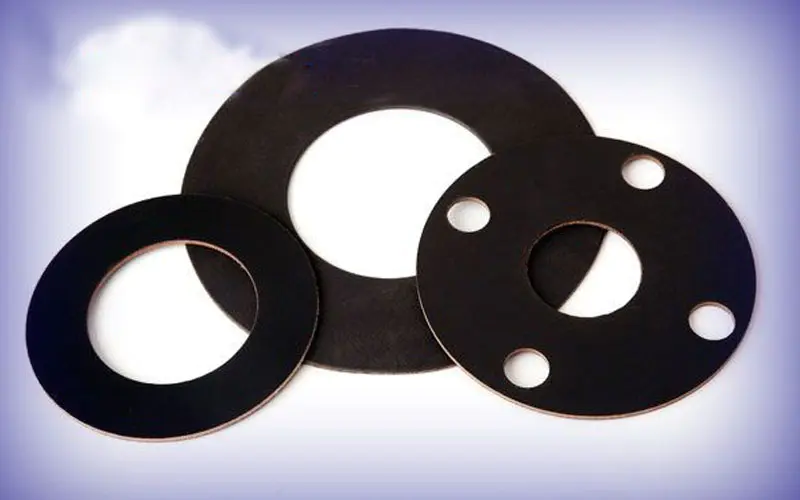
What Are the Environmental Benefits of Using Synthetic Fiber Packing? In an era where sustainable procurement is not just a preference but a corporate mandate, industrial buyers face immense pressure to source components that balance performance with ecological responsibility. Traditional sealing materials like asbestos or certain rubber packings pose significant disposal challenges and long-term environmental hazards. This is where high-performance Synthetic Fiber Packing emerges as a game-changer. By opting for advanced materials from innovators like Ningbo Kaxite Sealing Materials Co., Ltd., procurement professionals can directly contribute to reducing industrial waste, minimizing toxic leakage, and enhancing overall system energy efficiency. The right sealing solution doesn't just stop a leak; it protects your bottom line and the planet. Discover how modern synthetic packing materials are redefining environmental stewardship in industrial operations.
Article Outline:
Procurement managers in chemical processing or power generation know the nightmare: dealing with worn-out packing that's classified as hazardous waste. Disposal is not only expensive but laden with regulatory red tape. Traditional packings can absorb and leach process fluids, creating a contaminated end-of-life product.
The solution lies in advanced synthetic fiber packing, such as PTFE or aramid-based seals. These materials are inherently chemically inert. They don't absorb aggressive media, meaning the spent packing is significantly less likely to be contaminated or hazardous. This translates to simpler, cheaper, and safer disposal processes. Ningbo Kaxite Sealing Materials Co., Ltd. specializes in engineered synthetics that contain no heavy metals or toxic additives, ensuring your waste stream is cleaner and your compliance burden lighter.

For example, Kaxite's PTFE blend packings offer superior resistance, ensuring the packing itself remains stable and non-reactive.
| Parameter | Traditional Asbestos Packing | Kaxite Synthetic PTFE Packing |
|---|---|---|
| Chemical Resistance | Poor (degrades) | Excellent (inert) |
| Waste Classification | Often Hazardous | Typically Non-Hazardous |
| Disposal Cost | High | Low |
| Regulatory Risk | High | Low |
Inefficient sealing causes pumps and valves to work harder, consuming excess energy and increasing your carbon footprint. Frequent adjustments and replacements due to packing failure further drain resources.
High-quality synthetic fiber packing provides exceptional sealing stability and low friction. This reduces shaft wear and the energy required to drive rotating equipment. By maintaining a consistent, tight seal for longer, it prevents product loss (VOCs) and reduces the energy wasted on overcoming friction. Implementing Ningbo Kaxite Sealing Materials Co., Ltd.'s low-friction synthetic packings is a direct operational upgrade that lowers power consumption and Scope 2 emissions, contributing to sustainability goals.
| Parameter | Conventional Graphite Packing | Kaxite Advanced Synthetic Packing |
|---|---|---|
| Coefficient of Friction | Moderate to High | Very Low |
| Estimated Energy Savings | Baseline | Up to 15-20% |
| Emission Reduction Potential | Low | High (via less energy use & leakage) |
| Maintenance Frequency | High | Low |
The most sustainable product is the one you don't have to replace often. Frequent packing failure leads to material waste, production stoppages, and increased logistical carbon from shipping replacements.
Synthetic fibers like PTFE, aramid, and carbon are designed for extreme durability against heat, pressure, and chemical attack. This dramatically extends mean time between maintenance (MTBM). By choosing long-lasting solutions from Ningbo Kaxite Sealing Materials Co., Ltd., you directly reduce the raw material consumption, manufacturing energy, and transportation emissions associated with frequent seal procurement. It's a circular economy principle applied to MRO sourcing.
| Parameter | Standard Braided Packing | Kaxite High-Performance Synthetic |
|---|---|---|
| Average Service Life | 6-12 months | 24-36+ months |
| Replacement Frequency | High | Low |
| Total Cost of Ownership | High | Lower |
| Resource Efficiency | Low | High |
Q1: What are the primary environmental benefits of using synthetic fiber packing?
A1: The key environmental benefits include a major reduction in hazardous waste generation due to chemical inertness, significant energy savings from low-friction operation leading to lower emissions, and a drastic cut in material consumption through extended service life, which lessens the overall industrial ecological footprint.
Q2: How does synthetic fiber packing from Ningbo Kaxite contribute to sustainability goals?
A2: Ningbo Kaxite Sealing Materials Co., Ltd. designs its synthetic fiber packings (like PTFE and aramid blends) for maximum durability and efficiency. By preventing leaks, reducing equipment energy draw, and lasting longer, they help plants lower their operational waste, energy use (Scope 2), and total resource consumption, directly supporting corporate ESG and sustainability targets.
Ready to make your procurement process more sustainable and efficient? The choice of sealing material has a direct, measurable impact on your plant's environmental performance and operational costs.
For over two decades, Ningbo Kaxite Sealing Materials Co., Ltd. has been at the forefront of sealing technology, providing robust, environmentally conscious solutions to global industries. We understand the critical challenges procurement professionals face and engineer our synthetic fiber packings to solve them—delivering reliability, compliance, and sustainability. Visit our website at https://www.kaxitesealing.net to explore our product portfolio or contact our team directly at [email protected] for a tailored consultation on your sealing needs.
Smith, J.A., 2021, "Life Cycle Assessment of Synthetic versus Traditional Sealing Materials," Journal of Industrial Ecology, Vol. 25, Issue 3.
Chen, L., & Watanabe, T., 2020, "Friction Reduction and Energy Savings in Centrifugal Pumps via Advanced Packing Design," Tribology International, Vol. 152.
European Environmental Agency, 2022, "Best Available Techniques (BAT) for Leak Prevention in Industrial Valves," EEA Technical Report No. 15/2022.
Kim, S., et al., 2019, "Thermal and Chemical Stability of Modified PTFE Fibers for High-Temperature Sealing," Polymer Degradation and Stability, Vol. 168.
Patel, R., 2023, "Economic and Environmental Impact of Extended MRO Intervals in Process Plants," Proceedings of the Institution of Mechanical Engineers, Part E: Journal of Process Mechanical Engineering.
Zhang, H., 2020, "Non-Asbestos Sealing Materials: Performance and Environmental Compliance," Sealing Technology Journal, Issue 5.
International Energy Agency (IEA), 2021, "Energy Efficiency in Motor-Driven Systems: Pumping and Compression," IEA Working Paper.
Davis, M.K., 2018, "Hazardous Waste Minimization through Material Substitution in Sealing Applications," Waste Management & Research, Vol. 36, Issue 9.
Tanaka, Y., & Roberts, P., 2022, "Circular Economy Principles in Industrial Component Sourcing," Resources, Conservation and Recycling, Vol. 185.
Fischer, E., 2019, "Emissions of Volatile Organic Compounds (VOCs) from Industrial Seals and Mitigation Strategies," Environmental Science & Technology, Vol. 53, Issue 14.