Ceramic fiber, a high-performance refractory material, is a lightweight insulating product manufactured from alumina-silica materials. It is produced by melting a combination of high-purity alumina and silica in an electric arc furnace, followed by fiberization through blowing or spinning processes. The resulting ceramic fiber exhibits exceptional thermal stability, low thermal conductivity, and excellent resistance to thermal shock. These properties make it an indispensable material in industries requiring efficient high-temperature insulation, such as furnace linings, kiln components, power generation, and petrochemical processing. Its ability to withstand continuous operating temperatures up to 1430°C (2606°F) for standard grades, and even higher for specialized compositions, provides significant energy savings and operational safety.
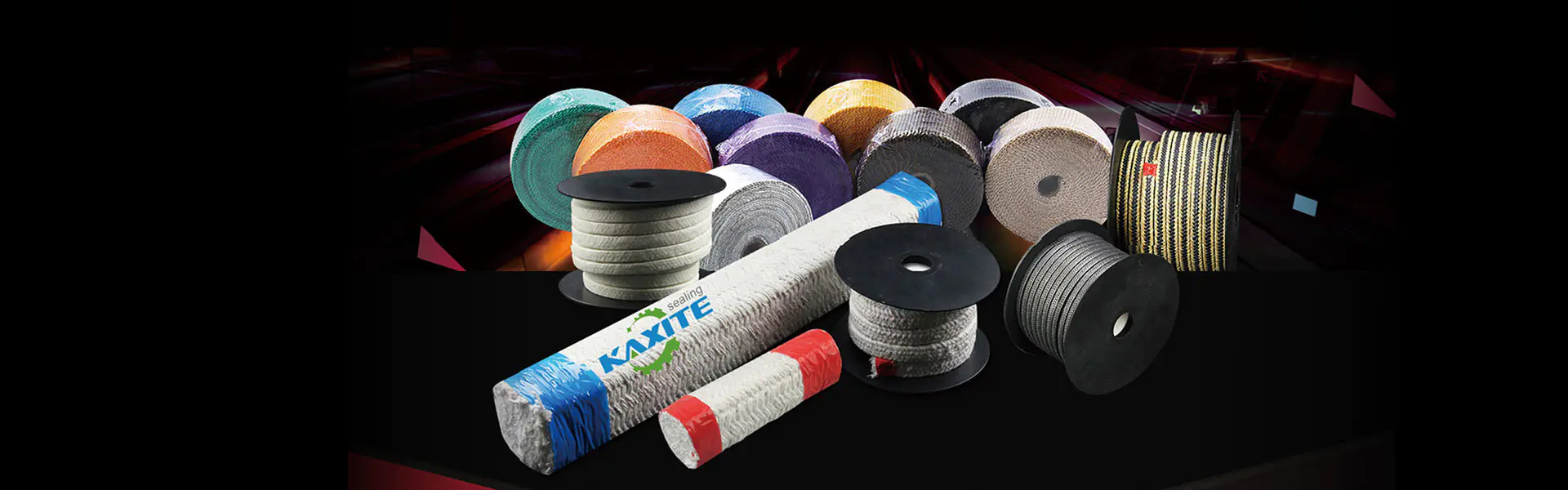
Kaxite Sealing specializes in manufacturing premium-grade ceramic fiber products engineered for demanding industrial applications. Our commitment to quality control and advanced manufacturing ensures consistent performance. Below are the detailed specifications for our core product lines.
Ideal for general insulation, filling, and layering in medium to high-temperature environments.
Rigid boards offering structural integrity and superior insulation for furnace linings and backup insulation.
| Parameter | Standard Grade | High-Temp Grade |
|---|---|---|
| Classification Temperature | 1430°C (2606°F) | 1600°C (2912°F) |
| Continuous Use Limit | 1200°C (2192°F) | 1400°C (2552°F) |
| Density | 280 kg/m³ | 320 kg/m³ |
| Cold Crushing Strength | > 1.2 MPa | > 2.0 MPa |
| Thermal Conductivity (800°C) | 0.22 W/m·K | 0.25 W/m·K |
| Linear Shrinkage (24 hrs) | < 2% @ 1200°C | < 2% @ 1400°C |
Pre-fabricated modules for fast, energy-efficient furnace lining installation with low heat storage.
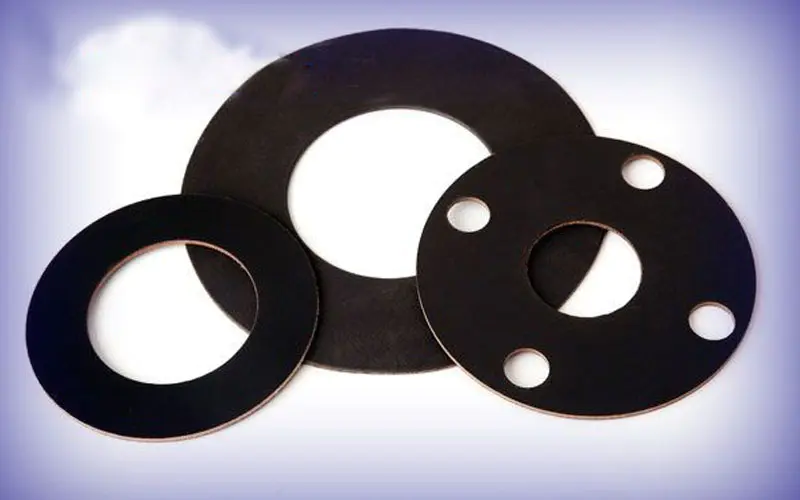
Flexible, uniform-thickness materials used for gasketing, wrapping, and thin-layer insulation.
| Property | Ceramic Fiber Paper | Ceramic Fiber Felt |
|---|---|---|
| Thickness Range | 0.5mm - 6.0mm | 3mm - 25mm |
| Density | 180 - 220 kg/m³ | 100 - 160 kg/m³ |
| Tensile Strength | High (binder reinforced) | Moderate (needled) |
| Primary Use | High-temp gaskets, expansion joints, thin insulation layers. | Wrapping pipes, insulation in non-abrasive environments, filler. |
Q: What are the primary safety considerations when handling ceramic fiber?
A: Fresh, uninstalled ceramic fiber products can generate airborne respirable fibers. It is crucial to follow proper safety protocols: use appropriate personal protective equipment (PPE) such as NIOSH-approved respirators, gloves, and safety glasses. Ensure good ventilation in the workspace. After installation, once the material is heated, the fibers tend to devitrify, becoming less respirable. Always refer to the Material Safety Data Sheet (MSDS) provided by the manufacturer, like Kaxite Sealing, and comply with local occupational health and safety regulations.
Q: How does the thermal conductivity of ceramic fiber compare to traditional refractory bricks?
A: Ceramic fiber has a significantly lower thermal conductivity than dense refractory bricks. For example, a standard ceramic fiber blanket may have a thermal conductivity of approximately 0.12 W/m·K at 500°C, whereas a typical fireclay brick might be around 1.0-1.4 W/m·K at the same temperature. This lower "k-value" means ceramic fiber is a far more effective insulator, leading to thinner lining designs, reduced heat loss through furnace walls (improving energy efficiency), and faster heat-up and cool-down cycles.
Q: Can ceramic fiber be used in applications with direct flame impingement?
A: While ceramic fiber has excellent high-temperature resistance, standard grades are not typically designed for prolonged direct flame contact, which can cause fiber degradation and erosion. For such applications, Kaxite Sealing offers specially treated or high-density products, such as rigidizer-coated modules or high-alumina boards. These products have enhanced surface hardness and resistance to high-velocity gas/flame erosion, making them suitable for areas like burner blocks, kiln doors, or radiant tube surrounds.
Q: What is the difference between classification temperature and continuous use temperature?
A: This is a critical distinction. The Classification Temperature (also known as grade temperature) is a standardized test temperature (held for 24 hours) at which the ceramic fiber exhibits a linear shrinkage of less than a set percentage (usually 2-4%). It is a metric for categorizing the fiber's maximum capability. The Continuous Use Temperature is the recommended maximum temperature for long-term, safe, and reliable operation without significant degradation. This is typically 100-200°C below the classification temperature. For instance, a 1430°C classified fiber from Kaxite Sealing is generally recommended for continuous use up to 1200-1250°C.
Q: How should ceramic fiber modules be stored before installation?
A: Kaxite Sealing ceramic fiber modules must be stored in a dry, covered environment. They should be kept in their original packaging until ready for use to protect them from moisture, dirt, and physical damage. Exposure to moisture can compromise the integrity of the modules and affect their insulating performance. Pallets should be stored on a flat surface, and stacking should not exceed the manufacturer's recommended height to prevent deformation of the modules at the bottom.
Q: Is ceramic fiber resistant to chemical attack?
A: Ceramic fiber offers good resistance to most acids and alkalis in oxidizing atmospheres. However, it can be attacked by hydrofluoric acid, phosphoric acid, and strong alkalis at high temperatures. It is also less stable in strongly reducing atmospheres or environments with high concentrations of alkali vapors (e.g., from certain salts). For chemically aggressive environments, Kaxite Sealing can provide specific recommendations, which may include the use of protective coatings or alternative high-purity compositions to extend the service life of the lining.
Q: What factors influence the lifespan of a ceramic fiber lining?
A: The service life depends on multiple factors: the operating temperature profile (including peak temperatures and thermal cycling), the atmosphere inside the furnace (oxidizing, reducing, corrosive vapors), the presence of mechanical abrasion or particle impingement, and the quality of the initial installation. Proper selection of the correct grade and density, careful installation to avoid gaps and compression issues, and adherence to recommended heating/cooling cycles during startup and shutdown are all essential for maximizing the longevity of a Kaxite Sealing ceramic fiber installation.
The versatility of Kaxite Sealing ceramic fiber products enables their use across a vast spectrum of high-temperature industries.